
There is no question that moving house is exciting, but the truth is, it’s also one of the more stressful things most people do. Packing boxes, scheduling dates, and making sure nothing breaks in transit, it’s easy to feel like you’re in over your head. This guide will take you through everything you need to know about hiring a moving company in Gold Coast, so you can make a confident, well-informed decision for your move from Coolangatta to Coomera.
Whether moving into your first apartment, upsizing to a family home or relocating locally across suburbs, this guide covers when to hire professionals, how to compare quotes, what to pack yourself and what to expect on moving day.
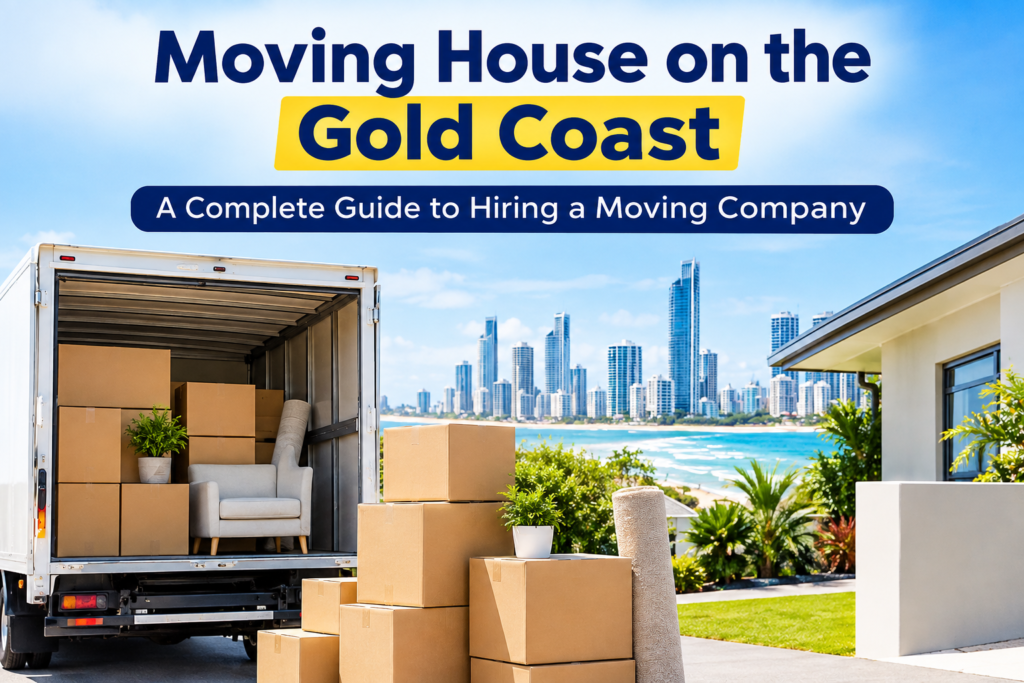
Do You Really Need a Pro Moving Company?
Not all moves need professional help, but there are instances when employing movers can truly make life easier:
You have a lot of furniture or heavy items – beds, wardrobes, fridges and appliances are awkward and risky to move without the right equipment.
You’re moving into or out of a property with stairs or limited access – lots of Gold Coast apartments and units have narrow stairwells, lifts with size restrictions or tricky loading zones.
You’re running out of time — whether you’re juggling work, family or a tight settlement date, professional movers can help you meet deadlines.
You want to minimize the risk of injury or damage — lifting heavy or bulky items improperly can cause injuries and damage to belongings and walls.
You have a big household. The more rooms and stuff involved, the more time and hassle a professional crew can save you.
If you have friends or family to help and access to a vehicle, a move that’s just a small studio or a few boxes between nearby addresses might be doable on your own.
Comparing Gold Coast Moving Companies
Not all moving companies are created equal, so it pays to look beyond the price on the page. Here’s what to check:
1. Licenses and Insurance
Find out if the company has transit insurance and public liability insurance. A good operator will be able to explain their coverage clearly.
2. Your Move Type Experience
A company that knows Gold Coast apartment complexes, beachside units or acreage properties will be better equipped to foresee access issues, parking restrictions or body corporate requirements.
3. Unambiguous Pricing
Look for a clear breakdown of how quotes are calculated – hourly rate, minimum call-out time, truck size, and any extra costs (stairs, long carries, packing materials).
4. Ratings and Reputation
Real customer reviews, word-of-mouth recommendations, and how long a company has been in business locally can help give you a realistic idea of what to expect.
5. Communication
A company that responds clearly to questions and confirms details in writing is generally more reliable on the day than one that is vague or difficult to contact.
6. Equipment and Crew Size
Ask how many movers they’ll be using and what equipment they’ll be bringing (dollies, trolleys, blankets, straps, etc.) — this can make a difference in terms of safety and speed.
Information to Provide When Requesting a Quote
The more accurate the information you provide, the more accurate your quote will be – and the less surprises on the day. Be ready to provide:
Suburb and property type of pick-up and drop-off addresses
Stairs, lifts or limited parking/access of either property
Estimated inventory (number of rooms, large furniture, appliances)
Timing of desired move date and flexibility
Special Handling Items (pianos, pool tables, artwork, fragile items)
Packing materials or packing/unpacking services, either way
Access restrictions, for example body corporate rules, loading dock opening hours or narrow driveways
Being transparent about these details helps prevent underquoting, which can result in delays or surprises on moving day.
What You Pack Yourself vs. What Professional Movers Can Do
Many people go with a hybrid approach – packing their own personal items and everyday things, but leaving the furniture and heavy lifting to the professionals.
Usually packed by the homeowner:
- Clothing, Linen and Personal Items
- Kitchenware, crockery and pantry items (unless requesting a full service pack)
- Books, documents and personal valuables
- Small electronics and their cords
- Toiletries and things you’ll need right after the move
Professional movers often handle:
- Furniture moving and assembly
- Heavy or bulky items (sofa, wardrobe, mattress)
- Appliances like fridges, washing machines and dryers
- Items that are fragile or awkward and require specialist wrapping and equipment
- Loading, securing, and safely unloading items in the truck
Not sure where to draw the line? Ask your moving company directly – many offer flexible service levels, from ‘load and transport only’ through to full packing and unpacking.
Getting Your Furniture and Appliances Ready for the Move
Some preparation is key to avoiding damage and delays on the day.
furnitures
Remove any loose or detachable parts, and empty drawers
Where possible disassemble large items (bed frames, table legs), or ask your movers to do this
Cover or protect fragile surfaces such as glass tabletops or mirrors
Equipment
- Fridges and freezers: defrost and clean at least 24 hours ahead, and secure any loose shelves
- Washing machines: find out if you need to reinstall any transit bolts to protect the drum
- while moving TVs and electronics: find out if you need to back up settings, and keep original boxes if you still have them
- Gas or hardwired appliances: arrange to have these disconnected by a qualified tradesperson in advance, as movers usually can’t disconnect these themselves
Typical Gold Coast Moving Situations Apartment and Unit Moves
Coastal high-rises and unit complexes often have lift bookings, loading dock time slots and body corporate move-in/move-out rules. Verify these details with your building manager and give your moving company plenty of notice.
House Moves
Standalone houses usually mean more furniture and a wider variety of item types so factor in extra time for both quoting and the move itself, especially for houses with multiple bedrooms.
Local Moving
Moving within the same suburb or nearby area might seem straightforward, but short-distance moves can still have tight timelines if you are moving in and out on the same day – open communication with your movers regarding timing is crucial.
Moves That Include Stairs, or Limited Access
Homes and units with stairs, narrow hallways or limited parking may need additional crew or specific equipment. Raising this at the quote stage prevents delays or additional charges being added on the day.
Checklist for Moving Day
Follow this checklist in the days before you move:
Confirm the time of arrival and contact information with your moving company.
- Clearly label all boxes by room and contents
- Designate a “essentials box” (chargers, toiletries, meds, snacks, important documents)
- Unplug and ready appliances as instructed
- Clear driveways, parking areas and pathways at both properties
- Confirm apartment/unit lift bookings or loading dock access
Photograph valuable or fragile items before the move
Take valuables, cash and important papers with you, not in truck
Make arrangements for children or pets to be looked after so they are not underfoot when loading.
- Take one last walk through the old place before the truck pulls away
- Advice to Minimize Delays and Secure Your Belongings
- Book your preferred moving date early, especially during peak times
- Give an accurate inventory so the right size truck and crew are booked
- Pack boxes to a manageable weight and do not overfill
- Use proper packing materials for fragile items instead of improvising
- Pre-advise of any access issues (stairs, narrow streets, no parking)
- Keep your phone handy on moving day just in case the crew has questions
- Make a plan for where large furniture will go in the new home to speed up unloading
Conclusion
Moving house smoothly on the Gold Coast depends on planning, good communication and selecting a removalist company that is familiar with the conditions of the area, whether you’re in a beachside apartment or a family home further inland. By booking in advance, giving accurate information for your quote and preparing your furniture and appliances correctly, you can reduce stress and help keep your move on track. When you take the time to plan, it makes all the difference on moving day, whether you’re moving locally or across the region.
Frequently Asked Questions
Q1. How much notice do I need to give a moving company in the Gold Coast?
As a general rule of thumb, most residential moves should be given 2-4 weeks notice. During busy periods such as school holidays or the start/end of the month, this may need to be extended to 4-6 weeks.
Q2. Do I have to pack everything before the movers get here?
Not necessarily. Many companies will offer you flexible options, from loading and transport only through to full packing services. Check what’s included when you book.
Q3. Can the movers disconnect my gas appliances?
No, generally. Gas and some hardwired appliances need to be disconnected by a licensed tradesperson prior to moving day.
Q4. What if my new apartment has strict lift or loading dock booking times?
Share this information with your moving company as soon as possible so they can schedule the job around your building’s access windows.
Q5. Are my items insured during the move?
Coverage varies by company, so it’s worth asking directly about transit insurance and what it covers before you book.
Q6. What should I carry instead of loading on the truck?
Keep valuables, important documents, medications, and anything irreplaceable with you rather than packed onto the truck.
Q7. What is the typical calculation of the cost of a move?
Local moves are typically quoted based on the size of the job, number of movers and trucks needed, distance, and any access issues such as stairs or long carries. Request a detailed breakdown so you know precisely what’s covered.