
Moving furniture is rarely as easy as picking up a couch and carrying it out the door. Furniture is always the most difficult part of any move, with awkward angles, fragile surfaces, tight hallways and heavy structural pieces to contend with. If you are a homeowner, renter, family or business in Arundel and surrounding suburbs of Queensland, knowing how to pack and move furniture safely can save you from damage, time and the physical toll of moving day.
This guide outlines practical steps for assessing, preparing and transporting furniture, and what to look for when hiring professional help.
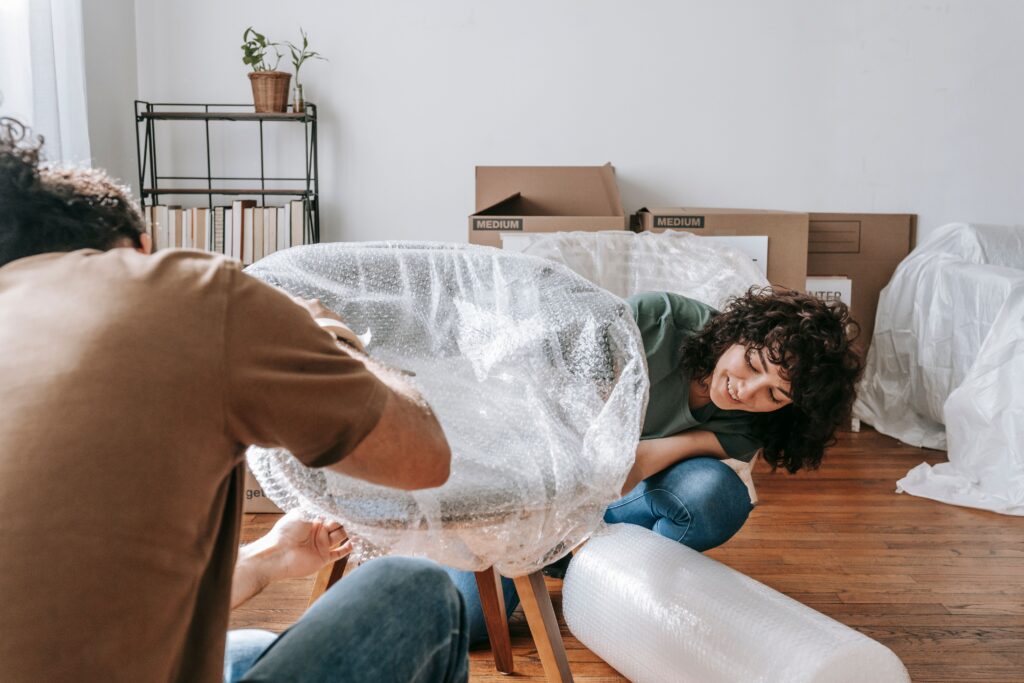
Furniture Requires Thoughtful Planning Before Moving
Furniture is not only heavy but often irregularly shaped, made of materials that scratch or crack easily, and built to be assembled once rather than moved around often. A dining table, for example, may be stable when in a room, but susceptible to leg damage when tilted through a doorway. A wardrobe may be structurally sound, but glass panels or mirrored doors can crack under pressure.
The more you plan, the fewer the surprises. It helps you see which items need special attention, to order the right packing materials beforehand, and to plan how furniture will physically be moved from one place to another – including through doorways, up stairwells and in lifts.
Furniture assessment before selecting the transport method
On moving day, go through your house and look at each piece of furniture one by one. Question:
- Solid wood, veneer, laminate, glass or upholstered?
- Does anything come off of it (legs, shelves, doors, etc)?
- “Will it be too big to fit through the door as it is?
- Does it contain fragile parts such as glass, mirrors or electronics?
This assessment will determine if the item is portable as a whole, if it needs to be disassembled or if it needs specialized packing.
Furniture That May Need to Be Disassembled
Some furniture simply won’t get through an access point — or survive a move in one piece — unless it’s taken apart first. Some common examples are:
- Bed frames – separation of headboards, footboards and side rails often required
- Wardrobes – may have to take out shelves and hanging rails
- Dining tables – legs are often detachable
- Bookshelves and cabinets – it is usually possible to remove the doors and shelves
- Sofas – modular sectionals need to be broken up into individual sections
Disassembly reduces bulk, minimizes the risk of frame damage and makes working in tight spaces much easier.
Positioning Wardrobes, Beds, Tables, Sofas and Cabinets
For each kind of furniture, a slightly different approach is needed:
- Wardrobes – Remove contents, remove shelves, tape or wrap doors (do not touch painted surfaces)
- Beds – Take frames apart, put a cover on the mattress and keep bolts/screws in a bag that is labeled.
- Tables – Remove glass tops separately, wrap legs and protect corners.
- Sofas – Vacuum and wrap in breathable fabric to guard against dust and moisture.
- Cabinets – Use tape or stretch wrap to secure doors and drawers so they don’t fly open during transit.
The importance of packing
Using the correct materials is not optional, it’s what actually prevents damage. Different furniture requires different protection:
- Blanks for moving on wood & upholstery.
- Bubble wrap for glass, mirrors and delicate finishes
- Wrap to keep blankets & drawers from sliding out
- Corner guards for table edges and cabinet corners
- Strong boxes for smaller detachable parts
How the Protective Wrap Reduces Damage
Protective blankets absorb shock and keep surfaces from scuffing during loading and transit. The wrapping materials are free from dust and moisture. Corner Protection is designed for the areas most likely to chip or crack when furniture is moved around inside a vehicle. Together, these materials significantly reduce the risk of scratches, dents and structural impact.
How professional removalists handle loading and unloading
Professional furniture removalists will normally load in some order and not just haphazardly. Heavier furniture with flat sides is usually loaded first against the walls of the vehicle and lighter or fragile items are loaded on top or in protected areas. Straps and internal tie downs are utilized to secure the furniture so it doesn’t shift during shipping.
You normally unload in reverse order, taking special care with doorways, floors and walls at the new house.
Weight Location & Distribution: Why It Matters
A moving vehicle with an uneven weight distribution can cause furniture to shift, tip over or press against other objects during transit. Balanced loading :
- Reduces the burden on the vehicle’s suspension
- Prevents sliding of furniture during turns or braking
- Reduces pressure points that can dent / crack surfaces
- Keeps fragile things away from heavier pieces
- How Access Issues Affect Furniture Removal
Stairs, narrow hallways, elevators and tight doorways all affect how furniture needs to be moved. Example:
In multi-storey apartments it may be necessary to carry furniture up narrow stairwells, so disassembly might be needed.
Certain elevators have weight or size restrictions and might need to make more than one trip.
In older homes the doorways are narrow and furniture may have to be tilted or partially disassembled to get through them.
It’s a good idea to check out access points before move day to prevent delays and the potential for damage to walls, door frames or furniture.
Full Packing and Moving Services or Furniture Moving
It’s worth knowing the distinction between these two types of service:
Furniture moving usually involves the movement of furniture items from one location to another. This includes the loading, transportation and unloading.
Packing and moving services are more comprehensive and include packing household goods, boxes, fragile items and furniture as part of a total move.
Some households jEquipment trolleys, ust need furniture moving, while others want a full service move – including everything from kitchenware to wardrobes.
Preparing Fragile Furniture, Glass and Mirrors
Extra care is needed for glass table tops, mirrored wardrobes and glass cabinet doors:
- Remove glass parts where possible, wrap separately.
- Then bubble wrap. And a rigid layer (like cardboard) for extra protection
- Glass items should be clearly marked on all sides
Move glass items upright, not flat, when practical Common Furniture-Moving Mistakes
Avoid these common pitfalls:
- Don’t take apart furniture that obviously won’t fit through doorways
- Application of regular tape on wood or painted surfaces
- Overloading boxes with furniture having separable parts
- Not measuring doorways, hallways or stairwells ahead of time
- Left drawers or wardrobe doors open while being transported
- Not knowing what screws/bolts go where
Questions to Ask Before You Book
Before you use furniture removalists ask:
- Do you supply packing materials or do we have to bring our own?
- How do you take apart and put together?
- What happens if the furniture won’t fit through the existing access points?
- Are full packing and moving services available or do you only do furniture transport?
- How is furniture protected in loading and transit?
Removalists Comparison
Don’t just consider price when you’re weighing options:
- Services offered – furniture only vs. full service packing
- straps, protective blankets, ramps
- Communication – clarity around scheduling and access needs
- Pricing structure – flat rate quotes versus hourly rates
These are things that companies like The Move Mate Movers who service Arundel and surrounding areas often detail upfront so customers can compare based on actual inclusions of service, not just price.
Packing List for Furniture
Before moving day, make sure:
- Furniture that is easy to disassemble
- Mirrors and glass separately wrapped
- Locked drawers and doors
- Screws and bolts labeled and bagged.
- Corner guards and protective blankets ready to go
- Measured doorways, staircases and lift access
- Clearly labeled delicates
- Loading plan discussed with your moving team
Abstract
The secret to moving furniture safely is to be prepared: assess each piece, choose the right packing materials, plan for access challenges and understand how loading and weight distribution affect transit. Whether you’re moving a single sofa or an entire household, these steps will reduce the chance of damage and delays.
If you are in Arundel and need a hand then working with experienced Furniture Removalists like the team at The Move Mate Movers can help with disassembly, packing and transport with the right equipment on hand.
Frequently Asked Questions
Q1. Are packing materials provided by furniture removalists in Arundel?
Some removalists include the cost of packing materials in their service, but not all providers do. Best to confirm before booking.
Q2. How early should I book furniture movers in Arundel?
Generally, you want to book a few weeks in advance, especially during peak moving times.
Q3. Do removalists disassemble and reassemble furniture?
Most professional furniture removal companies include disassembly and reassembly in their services, especially for tables, wardrobes and beds.
Q4. What is the difference between furniture removal and full packing services?
Furniture removal services specialize in the moving of furniture, while full packing and moving services also box up household items.
Q5. How to protect fragile furniture like mirrors and glass tables while moving?
These items are usually individually bubble wrapped and wrapped in a rigid layer of protection and, where possible, transported upright.
Q6. What if my furniture won't fit through doorways or down staircases?
Usually the answer is disassembly. This helps to uncover this in advance, by measuring access points beforehand.
Q7. Do removalists charge differently for furniture and full home moves?
Yes, the rates vary depending on whether you require transport of just furniture or packing and moving services.
Q8. How to compare removalists in Arundel?
Compare cost alone, but on the basis of services offered, equipment used, clarity of communication and pricing structure.